
1. Maia Plan – AI-Powered Requirements Gathering
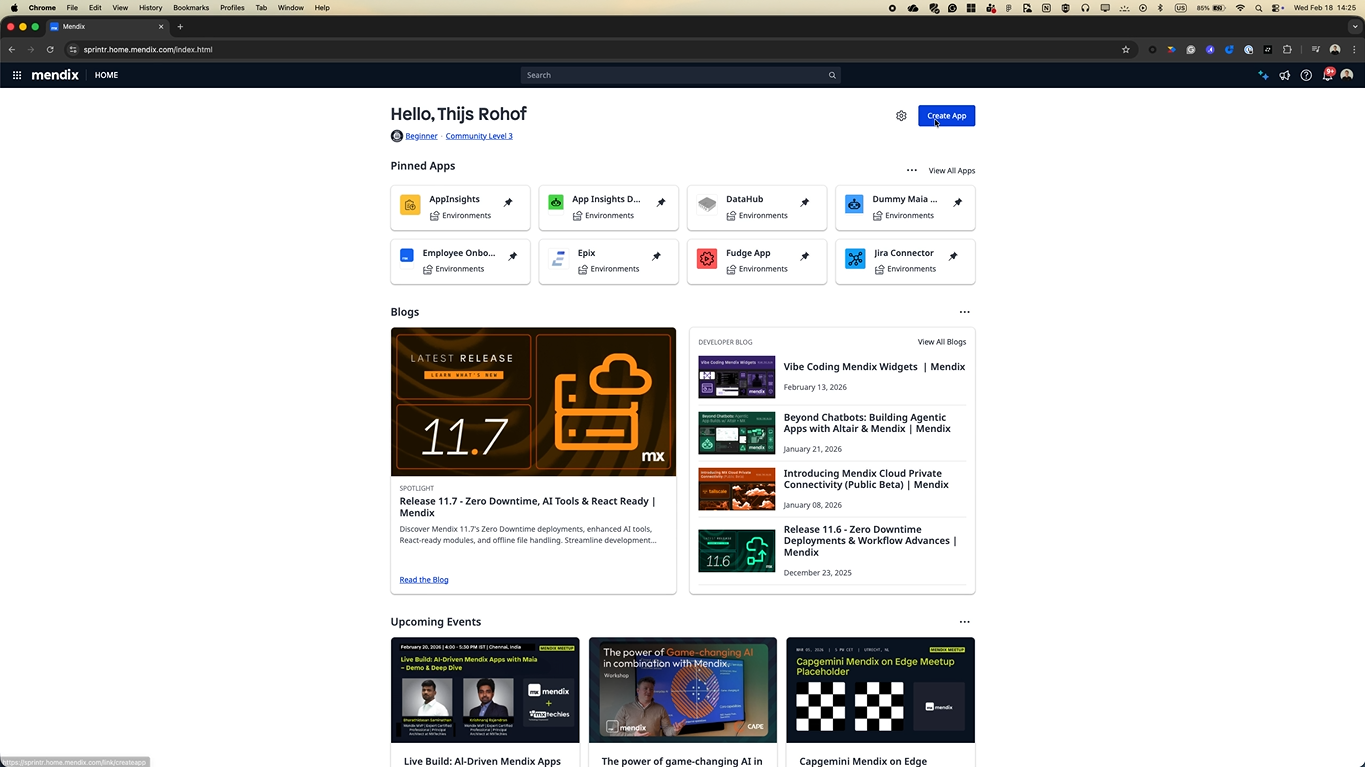
Mendix 11.8 introduces Maia Plan, an AI-powered planning engine within the Mendix Portal designed to transform scattered project ideas into structured, execution-ready delivery plans. Many projects begin with unclear requirements, disconnected stakeholder conversations, and incomplete business objectives, leading to delays and rework during development.
Maia Plan helps teams create clarity early by converting workshop notes, intake discussions, slide decks, and project briefs into organized project scopes and structured delivery plans. By defining goals, success criteria, user personas, and scope boundaries upfront, organizations improve alignment between business and IT teams while accelerating project readiness and reducing ambiguity across the development lifecycle.
2. Automated Backlog and Scope Generation
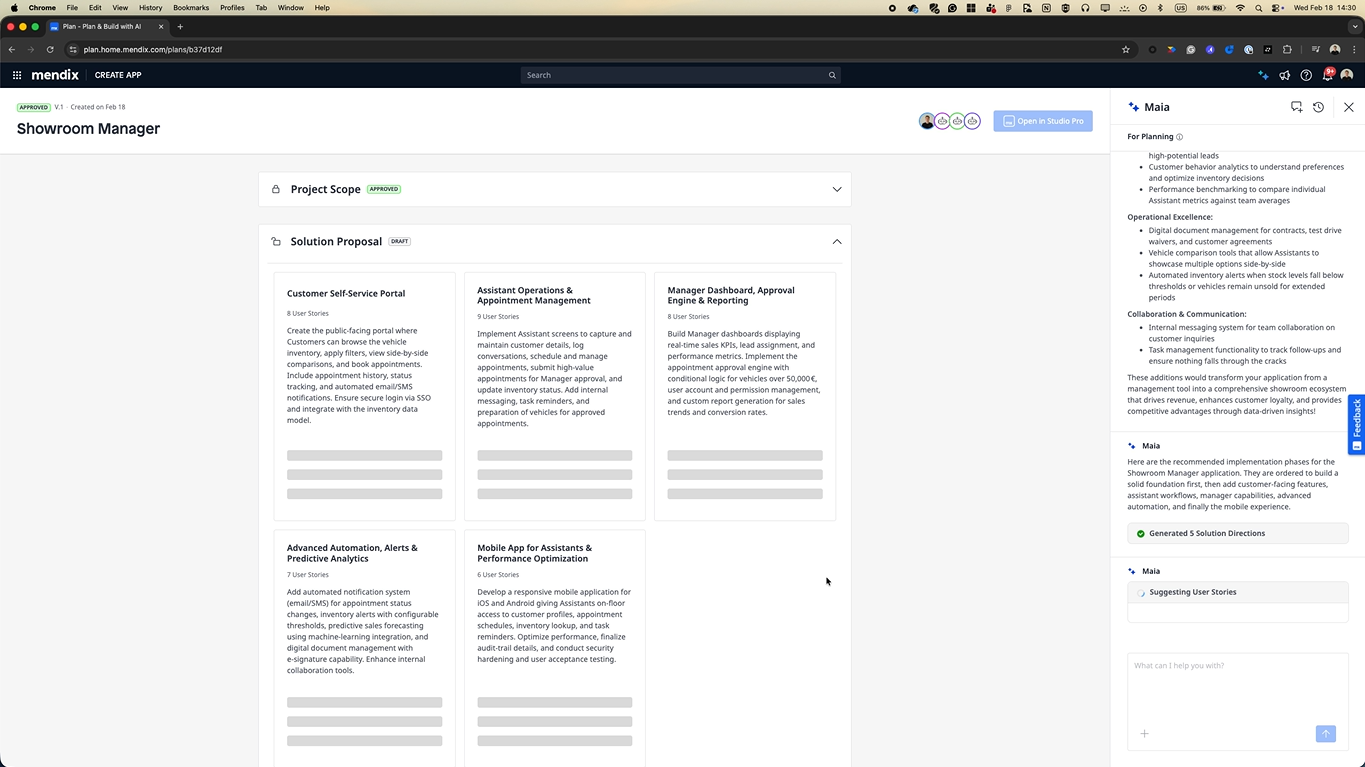
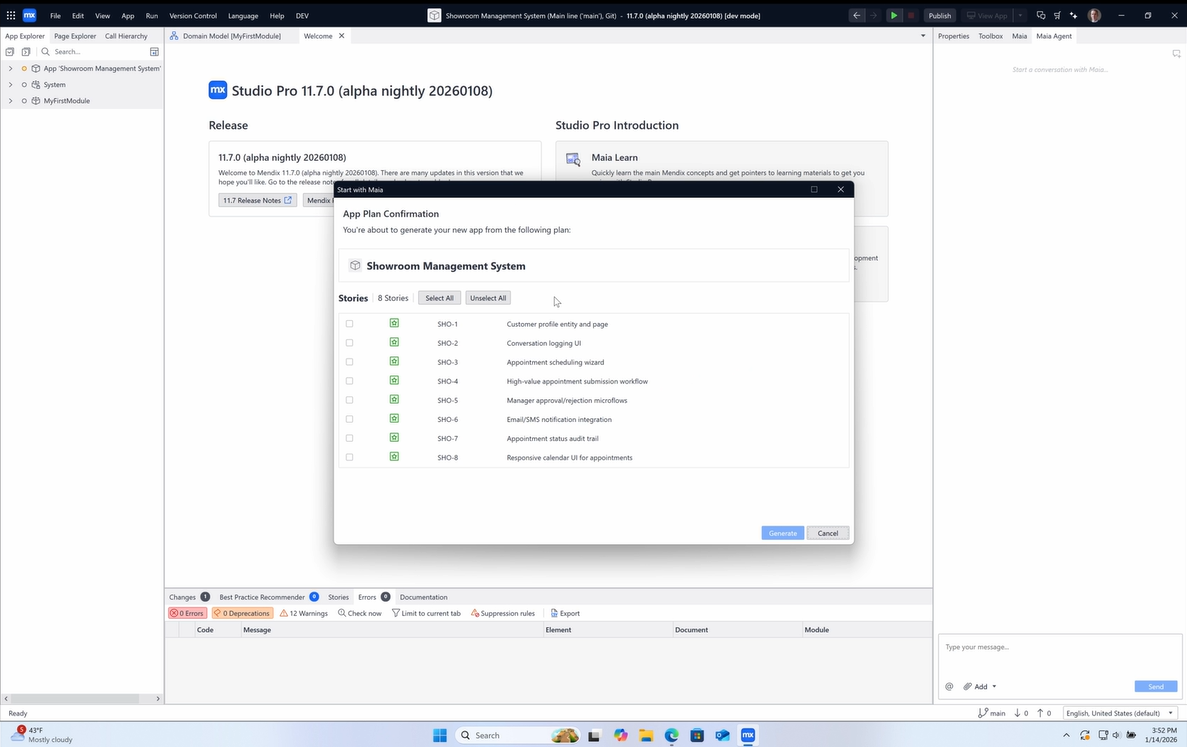
Maia Plan converts unstructured project inputs into validation-ready backlogs containing defined goals, user personas, functional requirements, epics, user stories, and acceptance criteria. Teams can review and refine the generated outputs while maintaining human oversight throughout the planning process.
The platform also creates structured solution proposals with logical sequencing and technical recommendations optimized for Mendix development. This automation significantly reduces manual backlog grooming, minimizes repetitive refinement sessions, and enables teams to move faster from ideation to sprint-ready implementation while maintaining agile flexibility and continuous validation.
3. Maia Make – Conversational AI Development
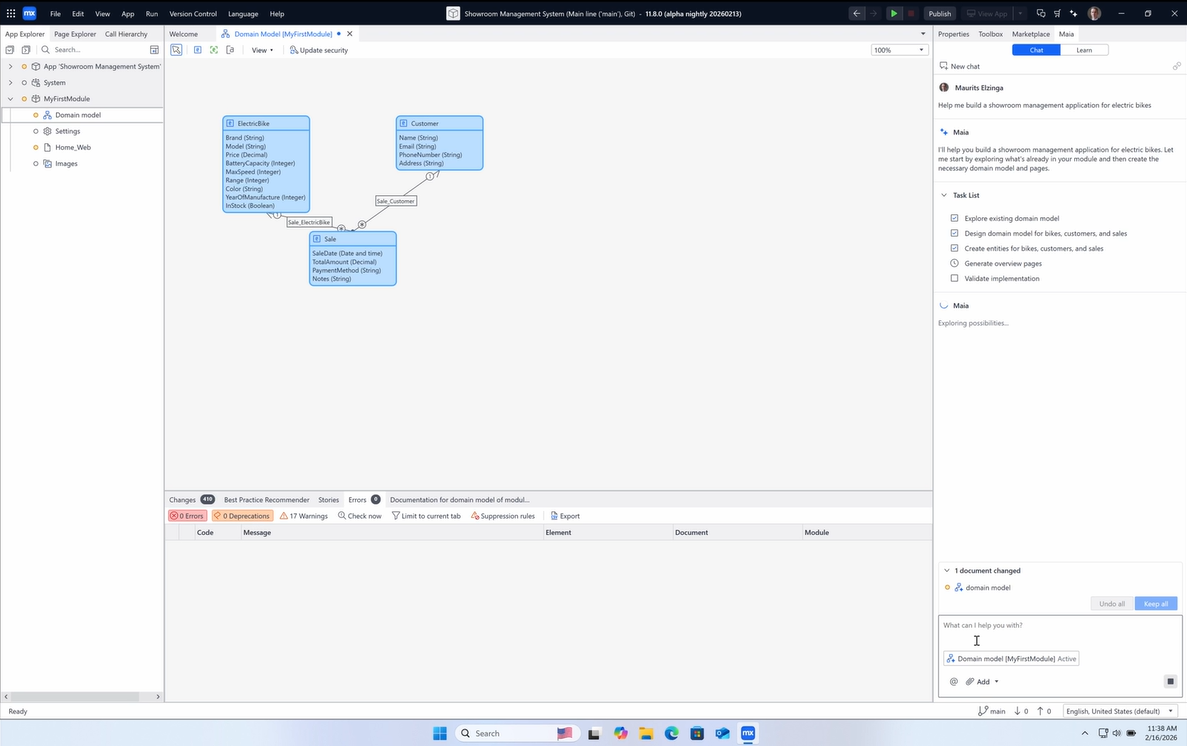
Mendix 11.8 introduces Maia Make, a conversational AI experience inside Studio Pro that consolidates Mendix generative capabilities into a single chat interface. Developers can generate domain models, pages, OQL queries, and application logic using natural language conversations.
The unified AI experience minimizes context switching and streamlines development workflows by allowing developers to interact with Maia in a more intuitive way. Teams can quickly scaffold application structures, receive logic explanations, and iterate on development tasks efficiently, helping accelerate low-code application delivery while improving productivity across the development lifecycle.
4. AI-Assisted Microflow Generation and Integration
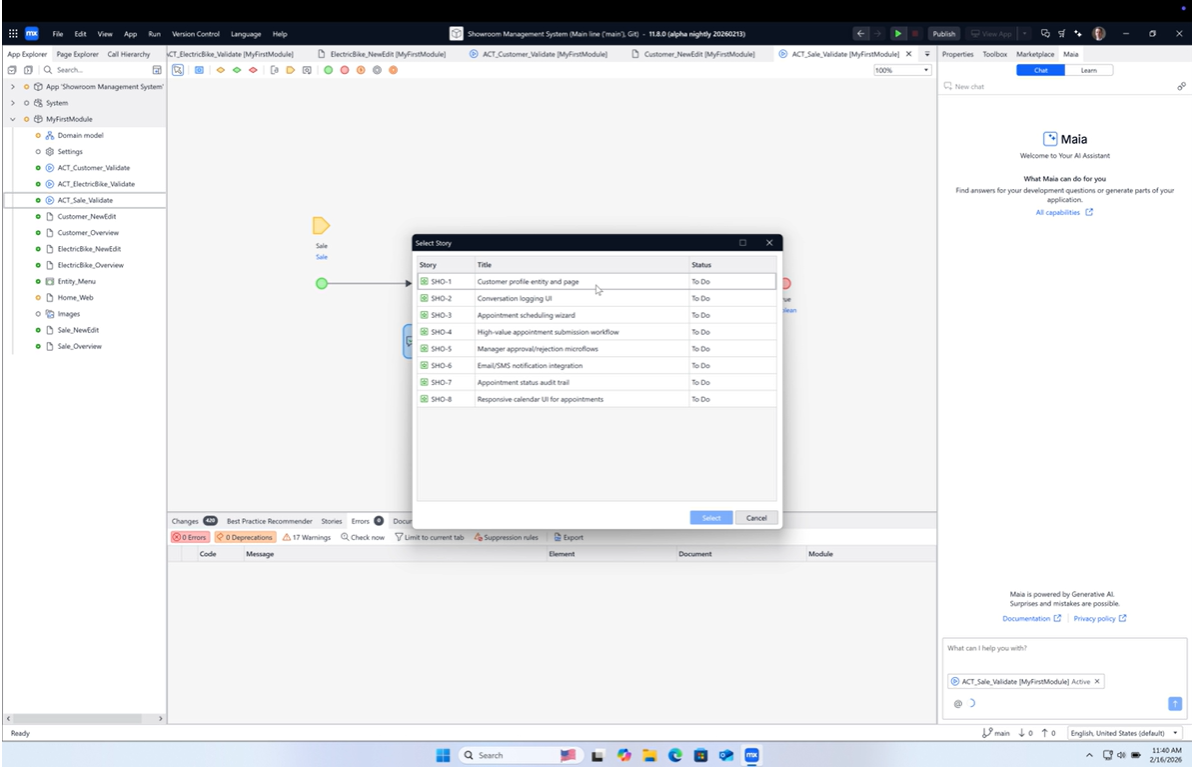
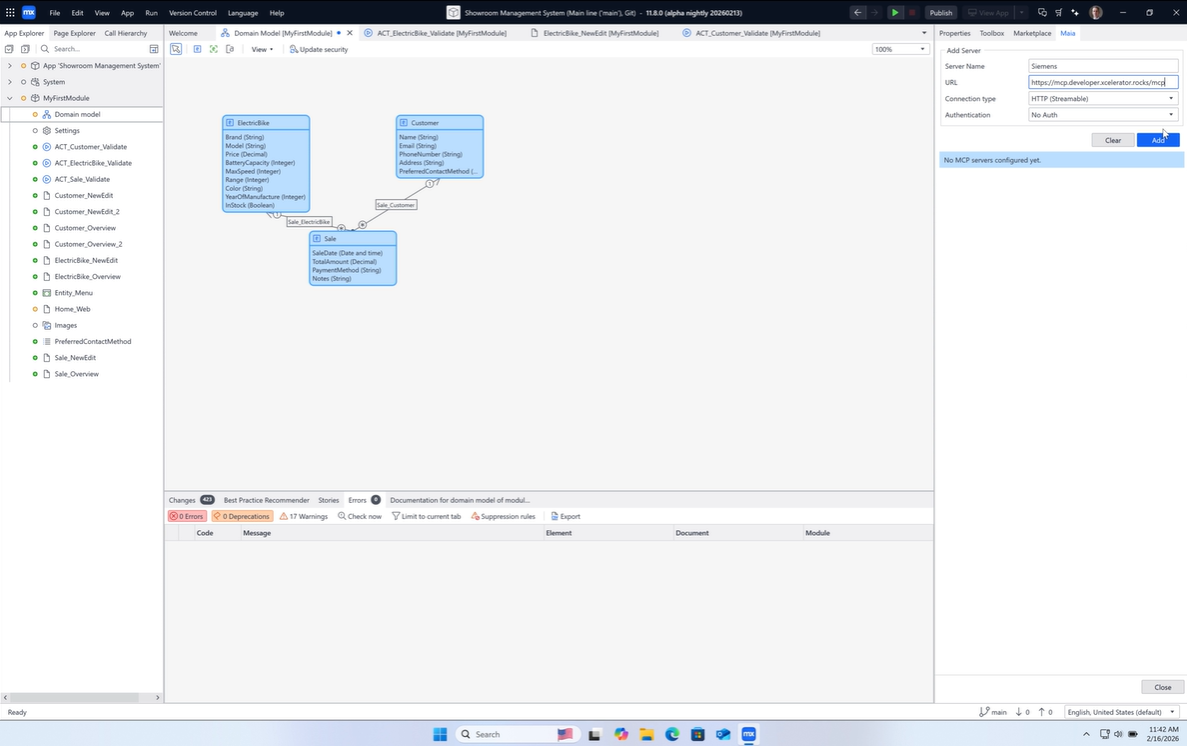
Maia Make now supports automated generation of fully configured CRUD microflows with support for enumerations, XPath constraints, expressions, and advanced workflow scaffolding. Developers can also connect Maia to external MCP servers such as Figma and Playwright for enhanced contextual intelligence.
The integration between Maia Plan and Maia Make enables seamless transfer of user stories into Studio Pro for rapid implementation and validation. Developers can automatically generate workflows and leverage external data sources to improve AI-assisted decision-making, reducing repetitive development work while improving flexibility, consistency, and overall implementation speed.
5. Advanced Workflow Automation with Event Sub-Processes
Mendix 11.8 introduces Event Sub-process support for workflows, enabling more advanced exception handling and process orchestration. Unlike boundary events, Event Sub-processes can trigger at any point during the workflow lifecycle.
This enhancement allows organizations to design more flexible and robust business workflows while improving consistency and process visibility. Teams can create alternative workflow paths, manage escalations more effectively, and handle complex business scenarios without interrupting primary workflow execution, improving operational efficiency and workflow reliability.
6. Studio Pro Performance and Developer Experience Enhancements
The release significantly improves Studio Pro performance by redesigning background error-checking processes to reduce memory consumption and improve IDE responsiveness for large projects.
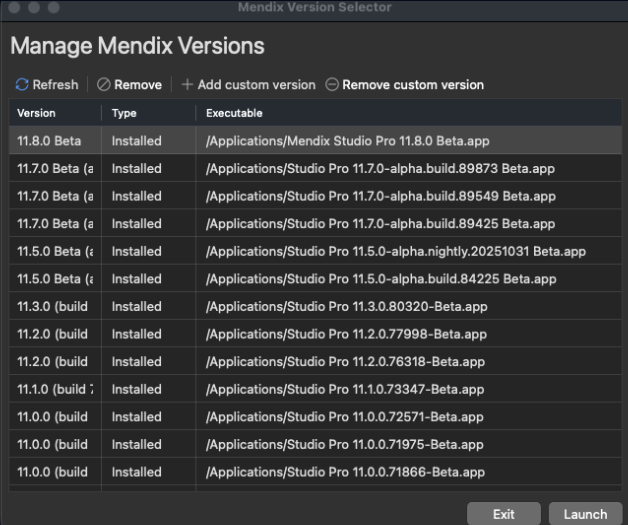
Additional enhancements include Version Selector support for Mac users, expanded Make It Native compatibility, synchronization controls for offline-first applications, and improved Gallery Widget data management capabilities. These updates help developers work more efficiently across platforms while improving responsiveness, reducing workflow friction, and supporting smoother low-code application development experiences.
7. Mendix Cloud Enhancements for Simplified Operations
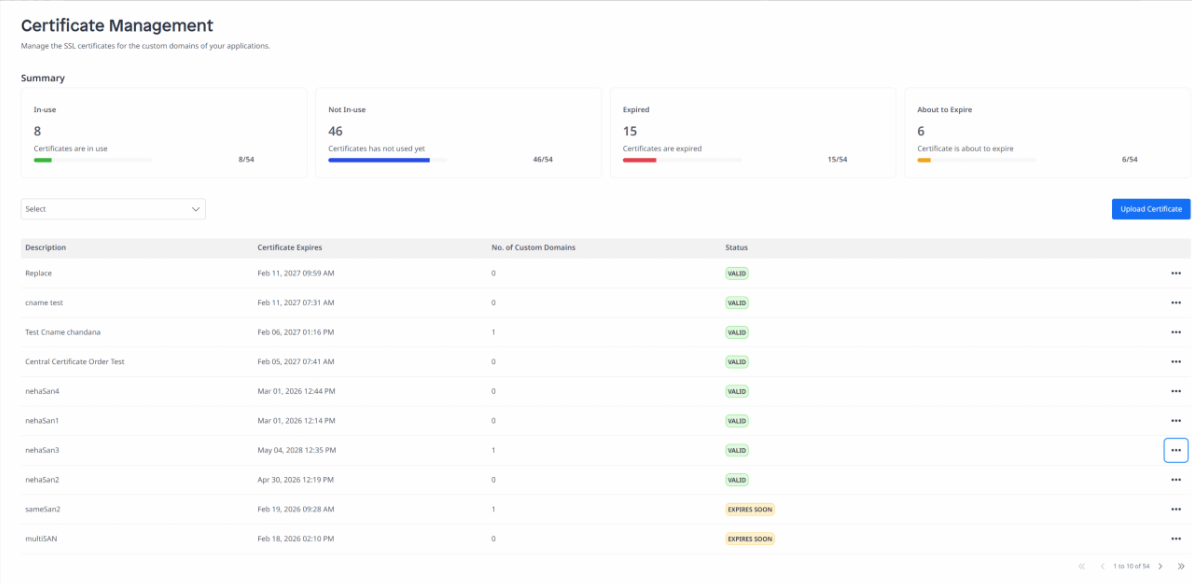
Mendix Cloud introduces Central Certificate Management, enabling organizations to manage SSL certificates for multiple applications from a single centralized location. The release also introduces Version Pinning to ensure predictable deployments and configuration consistency across environments.
These enhancements reduce operational overhead while improving governance, deployment reliability, and cloud management efficiency. Organizations can simplify certificate replacement workflows, maintain better visibility across environments, and ensure tested runtime configurations remain consistent during application promotions and deployments.
8. Smart and Agentic Apps with Google Gemini Integration
Mendix 11.8 expands AI capabilities with the introduction of the Google Gemini Connector. Built on the OpenAI-compatible Chat Completions API, the connector allows developers to integrate Google Gemini models directly into Mendix applications.
This enables intelligent text generation, conversational AI experiences, and smarter enterprise applications while simplifying AI integration workflows. Developers can leverage familiar API structures to accelerate implementation, improve user engagement, and build more advanced AI-powered business applications with reduced integration complexity and faster time-to-value.